
Developing tools that record muscle activity
HillMed is a Houston company. We are developing two devices that record the small electrical signals muscles make when they tighten and relax.
Two devices in development
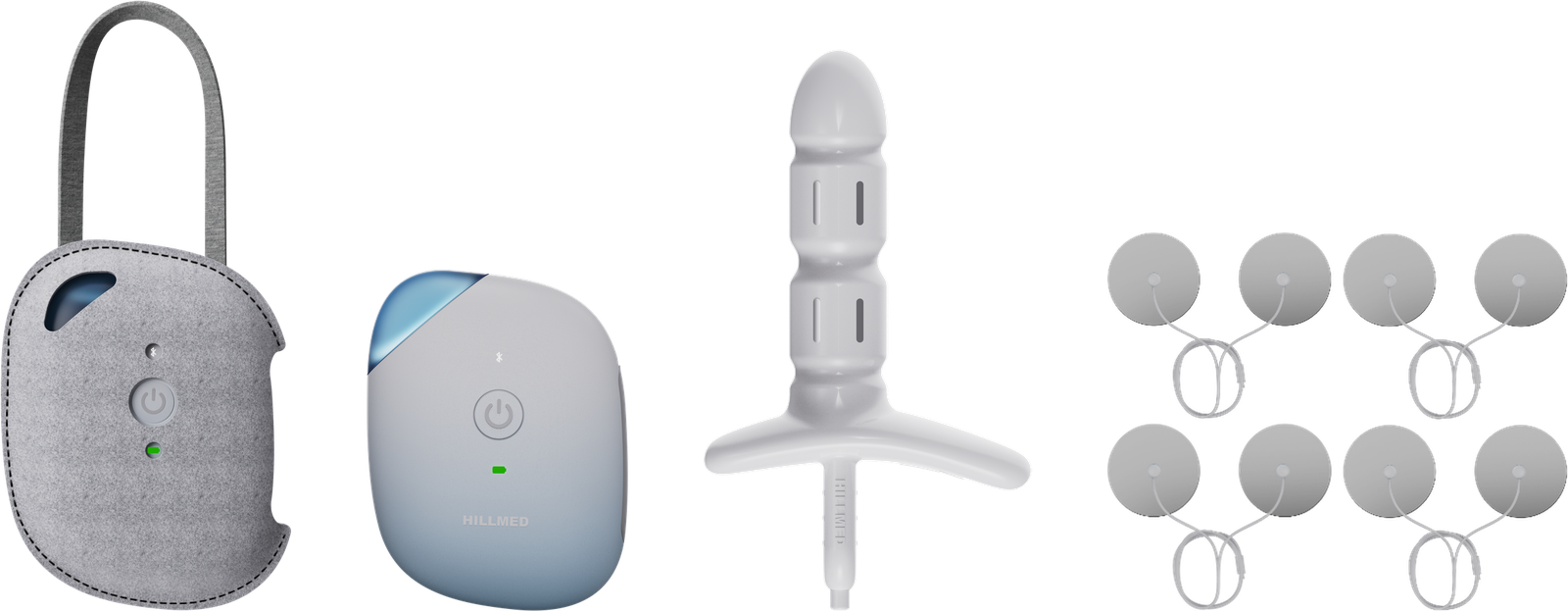
HomeTrainer
HomeTrainer is being designed for pelvic floor muscle training at home. A pelvic health clinician would set each user’s program.
A small probe records the pelvic floor muscles. Skin sensors record nearby muscles, such as hip, buttock, thigh or belly muscles. A phone app is being designed to show when one of these muscles tightens in place of the pelvic floor.
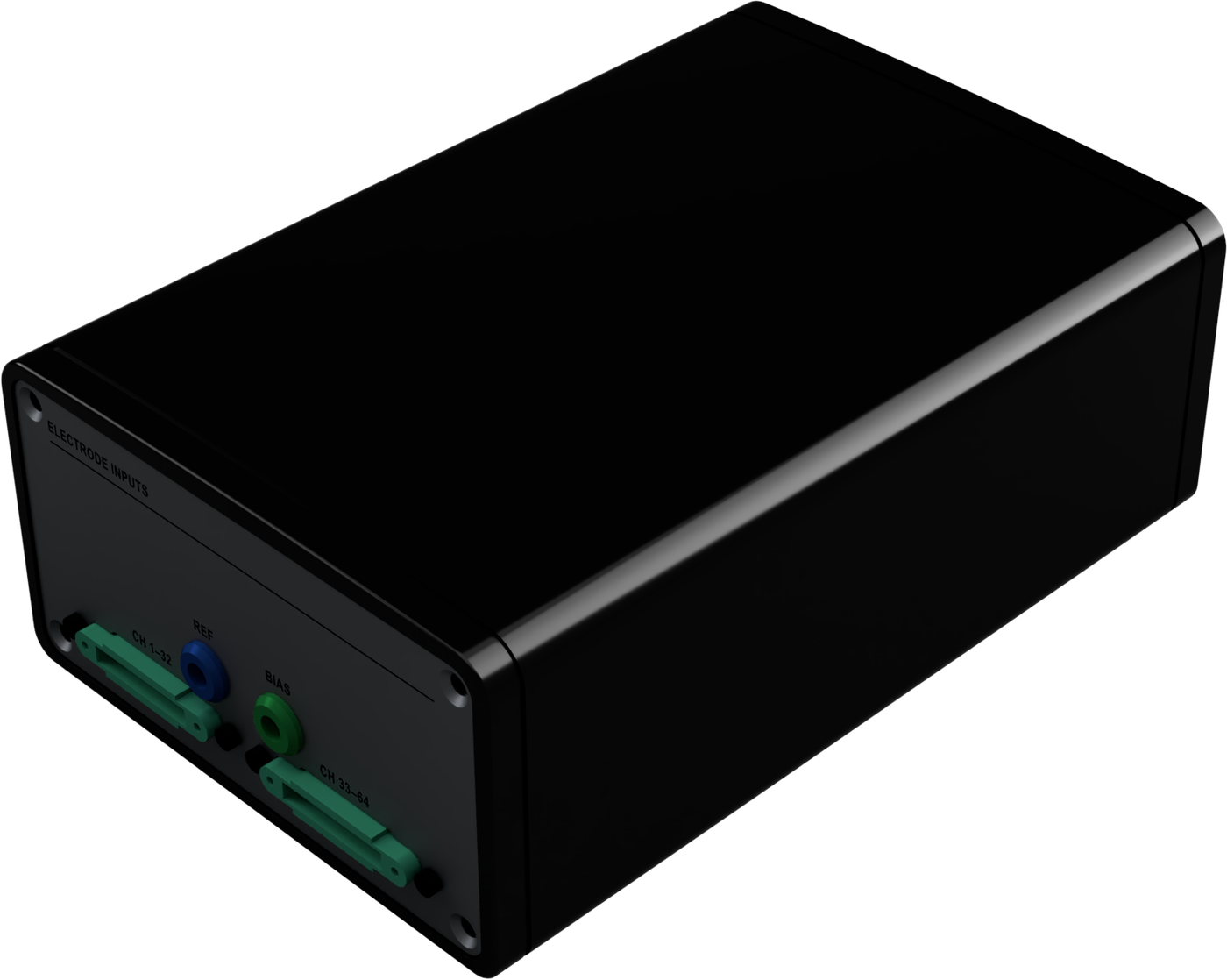
The 64-channel system
The 64-channel system is being designed for researchers, including clinician-researchers, who study muscles. It records 64 muscle signals at the same time.
It works with a sensor grid on one muscle, a probe for the pelvic floor muscles, or skin sensors on many muscles. Its software is being designed to show where a muscle is active and how muscles work together.
Why we record muscle activity
Muscles make small electrical signals when they work. Sensors can record these signals and show them as a line or a picture on a screen.
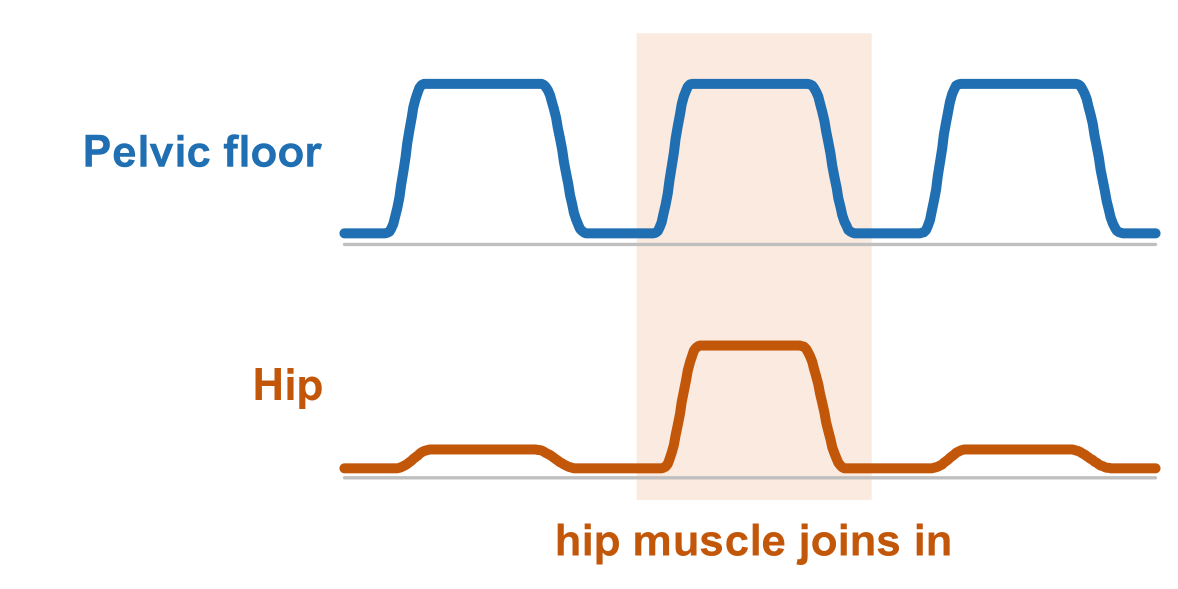
Recording several muscles at once can show which muscle is doing the work. In the example, the pelvic floor squeezes three times, and a hip muscle joins in on the middle squeeze.
Stay in touch
Clinicians and researchers can join our interest list. We will contact you when a demonstration is ready. You can also tell us if you would like to give feedback on a prototype or take part in future studies.