Investigational Device. Limited by Federal (U.S.) Law to Investigational Use. This product has not been reviewed or approved by the FDA.
Research partners and funding
In development. Not for sale. Not cleared or approved by the FDA or any other regulator.
Join the interest listFunding
The National Institutes of Health (NIH) awarded HillMed a Small Business Innovation Research (SBIR) grant.
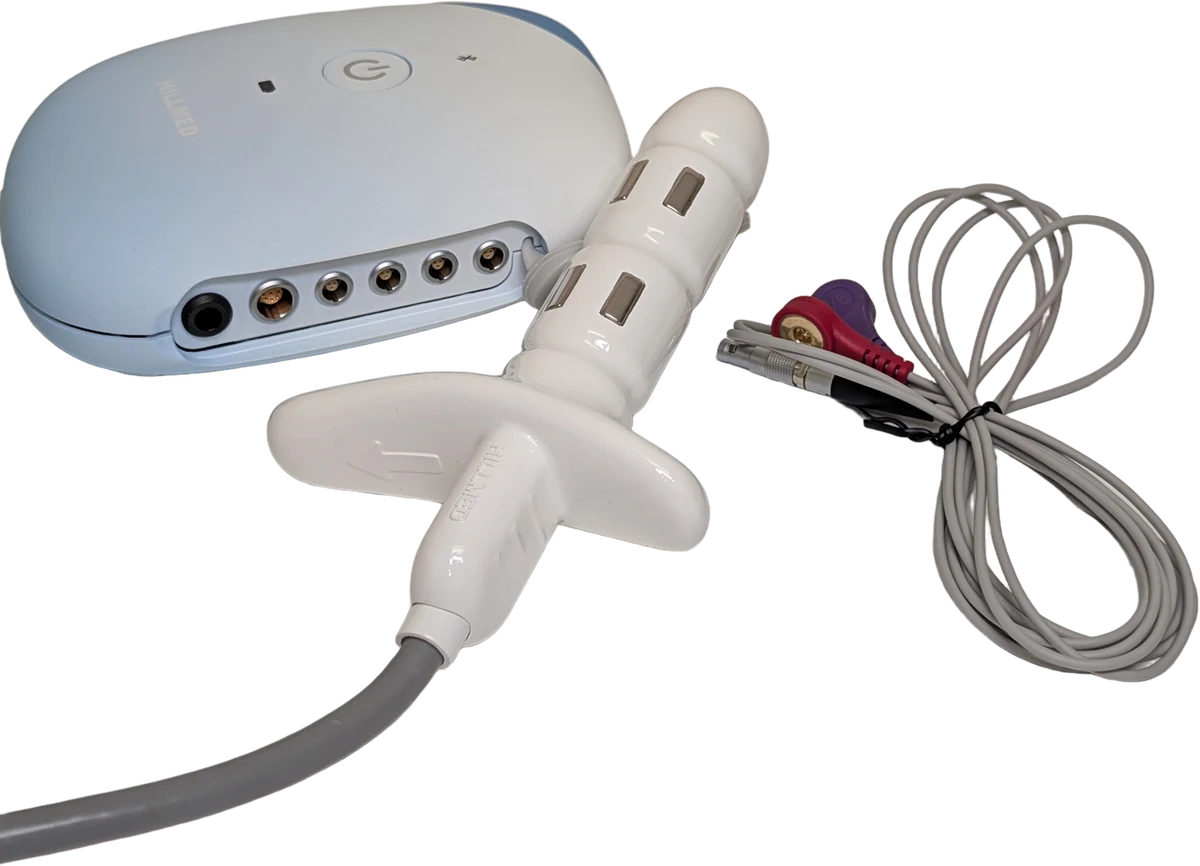
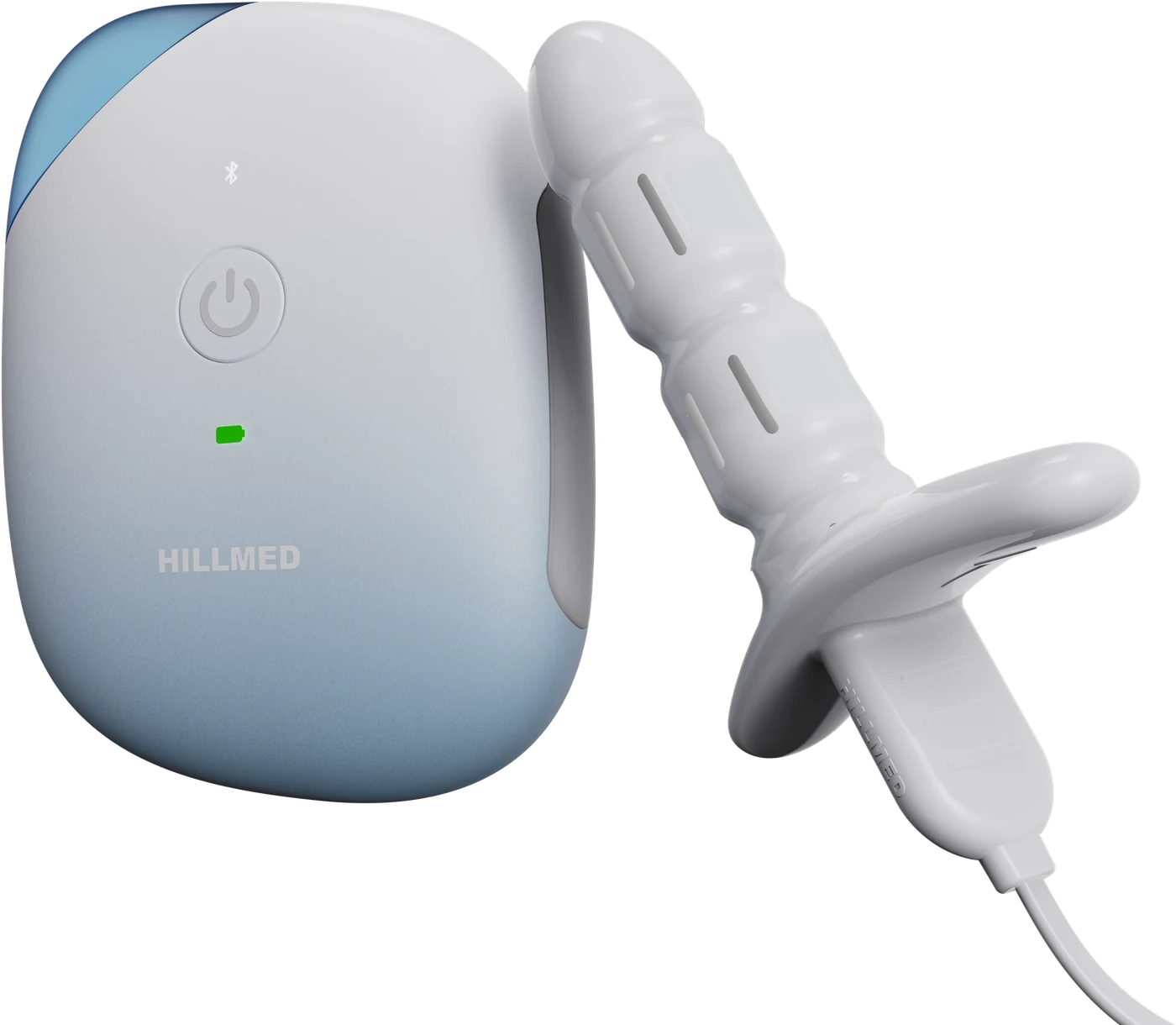
The grant funds development of our technology for pelvic floor disorders.

Collaborators
University of Houston
Our technology was first developed at the University of Houston and is licensed exclusively to HillMed. Much of the early development and testing took place there.
University of Miami
Research collaboration on our analysis software.
University of Washington
Studies of pelvic floor muscles in women with long-term pelvic pain, including bladder pain syndrome.
Baylor College of Medicine
Studies of tight pelvic floor muscles in bladder pain syndrome, and of how aging and childbirth affect the anal sphincter, the ring of muscle that keeps the bowel closed.
Houston Methodist
A study of pelvic floor muscle weakness in women who leak urine when they cough or exercise. The study uses our sensors together with MRI scans.
TIRR Memorial Hermann
A clinical study of muscle stiffness after stroke. The study is testing whether muscle maps can help plan botulinum toxin injections. Botulinum toxin is a medicine injected to relax stiff muscles.
Work with us
We welcome research partners. Email us, or join our interest list to hear about demonstrations and studies.